

Your Month-By-Month Guide To Where To Travel
No matter when you're planning to travel, there's always somewhere worth going. From summer school-holiday escapes to a cheeky long weekend in the shoulder months, here's our month-by-month guide to the best places to visit, built specifically with Australian travellers — and Australian seasons — in mind.



No matter when you're planning to travel, there's always somewhere worth going. From summer school-holiday escapes to a cheeky long weekend in the shoulder months, here's our month-by-month guide to the best places to visit, built specifically with Australian travellers — and Australian seasons — in mind.
Your month-by-month travel guide
Wherever you are in the year, here's where we'd point you and why.
January
School holidays and the Australia Day long weekend make January our busiest travel month, so it pays to book early. Fiji and Bali remain the smart short-haul picks — both warm, tropical and good value even at peak season, with direct flights from most east coast capitals. Prefer to stay closer to home? The Gold Coast and Byron Bay soak up the summer crowds for good reason: warm water, long days, and a proper holiday feel without the flight time. If you've got more than a week and a longer trip in mind, January is also high season in South America — Argentina's Patagonia offers close to 20 hours of daylight for hiking, while Peru and Brazil round out a genuine bucket-list itinerary.

Monte Fitz Roy. Photo: Alejandro Dau/CC-SA-4.0

Monte Fitz Roy. Photo: Alejandro Dau/CC-SA-4.0
Monte Fitz Roy. Photo: Alejandro Dau/CC-SA-4.0
February
February holds onto the last of the summer heat while shedding some of January's crowds and price hikes, making it a smarter-value window for many of the same destinations. The Indian Ocean — Mauritius, the Maldives and Sri Lanka — is worth a look for a slightly longer overseas escape, with reliably warm, dry conditions. If snow is more your speed, it's still deep winter in the northern hemisphere, so the Alps, Whistler and the US resorts are all in full swing without the January school-holiday crowds back home competing for flights.

Expert tip
Travel Expert
,,
March
March is a genuinely good month to head to Southeast Asia before the rainy season sets in properly — Malaysia, Cambodia and Vietnam are all still dry, less humid than peak summer, and noticeably quieter on the ground. On the other side of the Pacific, Mexico's Baja Peninsula comes alive with grey whale season, a genuinely memorable wildlife encounter for anyone extending a longer Americas trip.

April
April brings two very different drawcards. Thailand's Songkran festival (the traditional New Year water festival) falls mid-month and turns much of the country into a joyful, city-wide water fight — book early, as accommodation fills fast around the festival dates. For something quieter, Japan's cherry blossom season typically peaks in the first half of April, drawing crowds of its own but rewarding early risers with genuinely spectacular scenery.

May
May is shoulder season across much of Europe, and it shows: Rome, Paris, Athens and Prague are all noticeably milder and less crowded than during the northern summer peak, with better hotel rates to match. It's a strong month for a first-time Europe trip if you'd rather avoid queuing for the Colosseum in 35-degree heat.

June
June suits cooler-climate adventure. New Zealand's ski season is getting underway on both islands, while Canada's Icefields Parkway between Jasper and Banff is at its most accessible for wildlife spotting and glacier walks before the peak summer crowds arrive. It's also a smart window for a European city break, just ahead of the July–August rush.

July
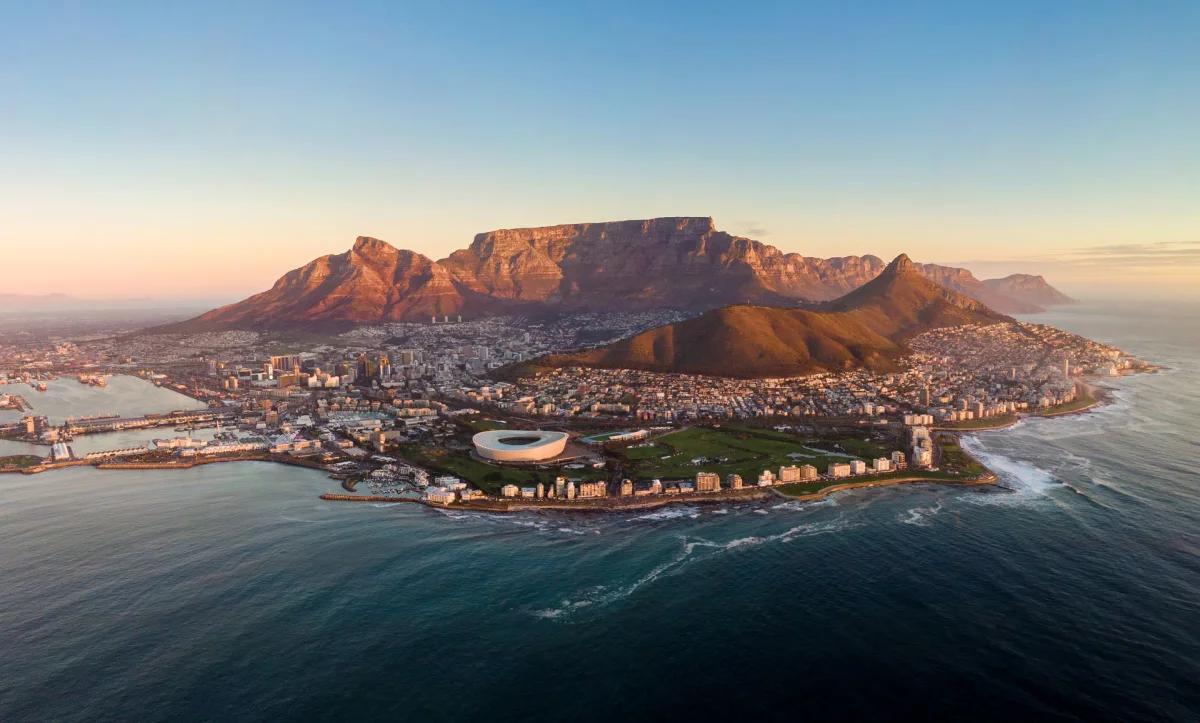
July is peak time to chase the aurora further north — Finland and Iceland both offer genuine Northern Lights viewing on longer winter nights, paired with saunas, hot springs and a proper cold-weather adventure. Closer to the equator, South Africa's Nelson Mandela Day on 18 July is a genuinely moving time to visit, with a national focus on community service alongside excellent winter game viewing conditions in Kruger.
Expert tip
Team Leader
,,
August
August is Europe's busiest and hottest month, so unless you're specifically chasing festival season, it's worth looking elsewhere. East Africa is a strong alternative: the Great Migration is in full swing across the Masai Mara, with wildebeest and zebra crossing the Mara River in one of the continent's great wildlife spectacles.

September
September is our own spring, and a genuinely underrated time to explore closer to home — Queensland and the Great Barrier Reef offer warm (not yet stinger-season) water and fewer crowds than the summer peak. It's also a smart shoulder-season pick for Europe, with milder temperatures and thinner crowds than August.

October
October is one of our favourite months for New Zealand — spring is in full bloom, crowds are far thinner than the summer peak, and Rotorua's geothermal fields, Marlborough's wine country and Milford Sound's waterfalls are all at their most photogenic. It also marks the start of South Africa's dry season, making game viewing in Kruger and the northern parks noticeably easier.

Hobbiton - image credit: Sara Orme
Hobbiton - image credit: Sara Orme
Hobbiton - image credit: Sara Orme
November
November is genuinely a great month for something out of the ordinary. An Antarctic expedition cruise departs from South America during this window, offering a once-in-a-lifetime wildlife and landscape experience before the peak December–January season. Closer to home in terms of flight time, Dubai offers warm — but not yet scorching — city-break weather, with outdoor dining and activities still comfortable.
United Arab Emirates

Expert tip
,,
December
December splits fairly evenly between a Northern Hemisphere festive fix and staying home for our own summer kick-off. New York is magic at Christmas — ice skating, shop windows and a genuine festive buzz — while Sydney's New Year's Eve fireworks are rightly considered among the best on the planet if you'd rather ring in the new year from home.

Which destination is worth a full month away
If you've got real time up your sleeve — say you're between jobs, working remotely, or simply due for a proper break — New Zealand is hard to beat for a month-long Australian getaway. It's close enough that flight cost isn't a barrier to a longer stay, the Aussie dollar still stretches reasonably well against the Kiwi dollar, and the country is genuinely large enough to fill three to four weeks without repeating yourself: fjords and wine country in the South Island, geothermal wonders and Māori culture in the North. It's also simply a very easy country to explore independently, which makes it well suited to a slower, monthlong pace.
Final thought
Whatever month you're planning around, the key is matching the trip to the time you've actually got. A long weekend suits a short-haul island escape; a proper chunk of annual leave opens up bucket-list territory. Chat with one of our Travel Experts to build out the details, or check flightcentre.com.au/deals for what's on offer right now.
Frequently asked questions
It depends what you're after — January suits a summer-holiday short-haul escape (Fiji, Bali), May and September offer shoulder-season value in Europe, and July offers genuine snow while it's our own winter.
It shifts with the seasons — see our full month-by-month guide above, from January's short-haul Pacific escapes through to New Zealand in October and Antarctica in November.
Fiji, Bali, the Gold Coast and Byron Bay are the standout picks for the January summer break, as they combine a manageable flight time with reliably warm, family-friendly conditions.
January tends to be one of the pricier months to fly from Australia due to school-holiday demand — for better value while still enjoying warm weather overseas, consider late February or March instead.
Fiji and Bali are the standout short-haul options for warm weather, while the Gold Coast and Byron Bay are strong picks if you'd rather avoid a long-haul flight altogether.